testf
Print is one of the oldest and most effective ways of communicating information. It allows text, images, graphics, and designs to be reproduced on physical materials such as paper, cardboard, fabric, and other surfaces. Despite the growth of digital media, printing remains an important part of education, business, advertising, publishing, packaging, and everyday life.
The history of printing changed dramatically with the invention of the printing press. Before mechanical printing, books and documents had to be copied by hand, making them expensive and time-consuming to produce. The development of movable-type printing made it possible to reproduce large numbers of identical pages much more quickly and at a lower cost. This development played an important role in spreading knowledge, education, science, and culture.
Today, several printing technologies are widely used. Offset printing is commonly used for newspapers, magazines, brochures, catalogs, and large quantities of commercial materials. It provides high-quality results and is particularly economical for large print runs. Digital printing, on the other hand, is suitable for smaller quantities because it does not require traditional printing plates. It is frequently used for business cards, posters, personalized documents, and short-run publications.
Another important technology is inkjet printing, which creates images by placing tiny droplets of ink onto a surface. Inkjet printers are widely used in homes and offices because they can produce both documents and high-quality color images. Laser printing uses toner and a laser-based imaging process and is known for its speed, sharp text, and efficiency, making it popular in professional environments.
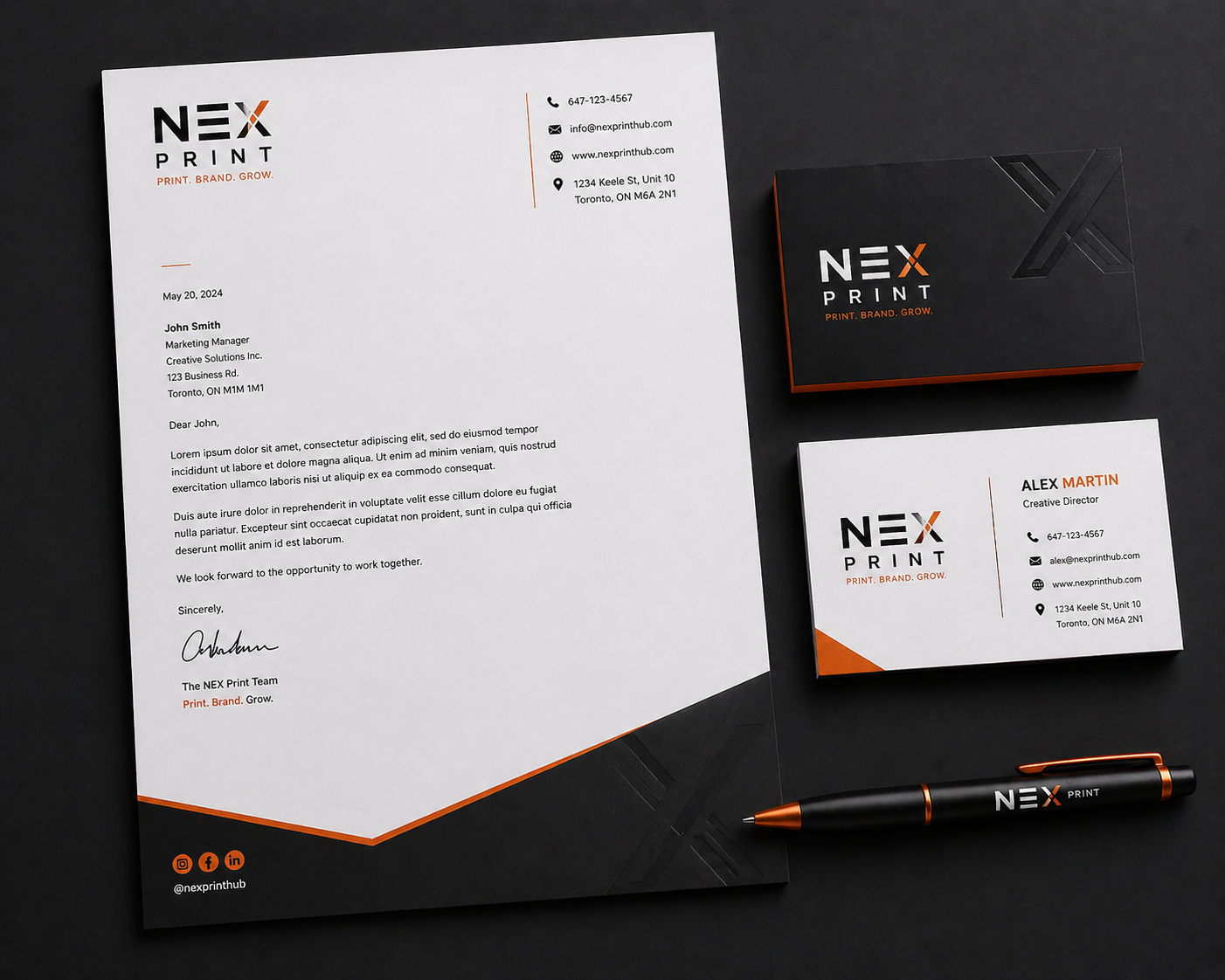
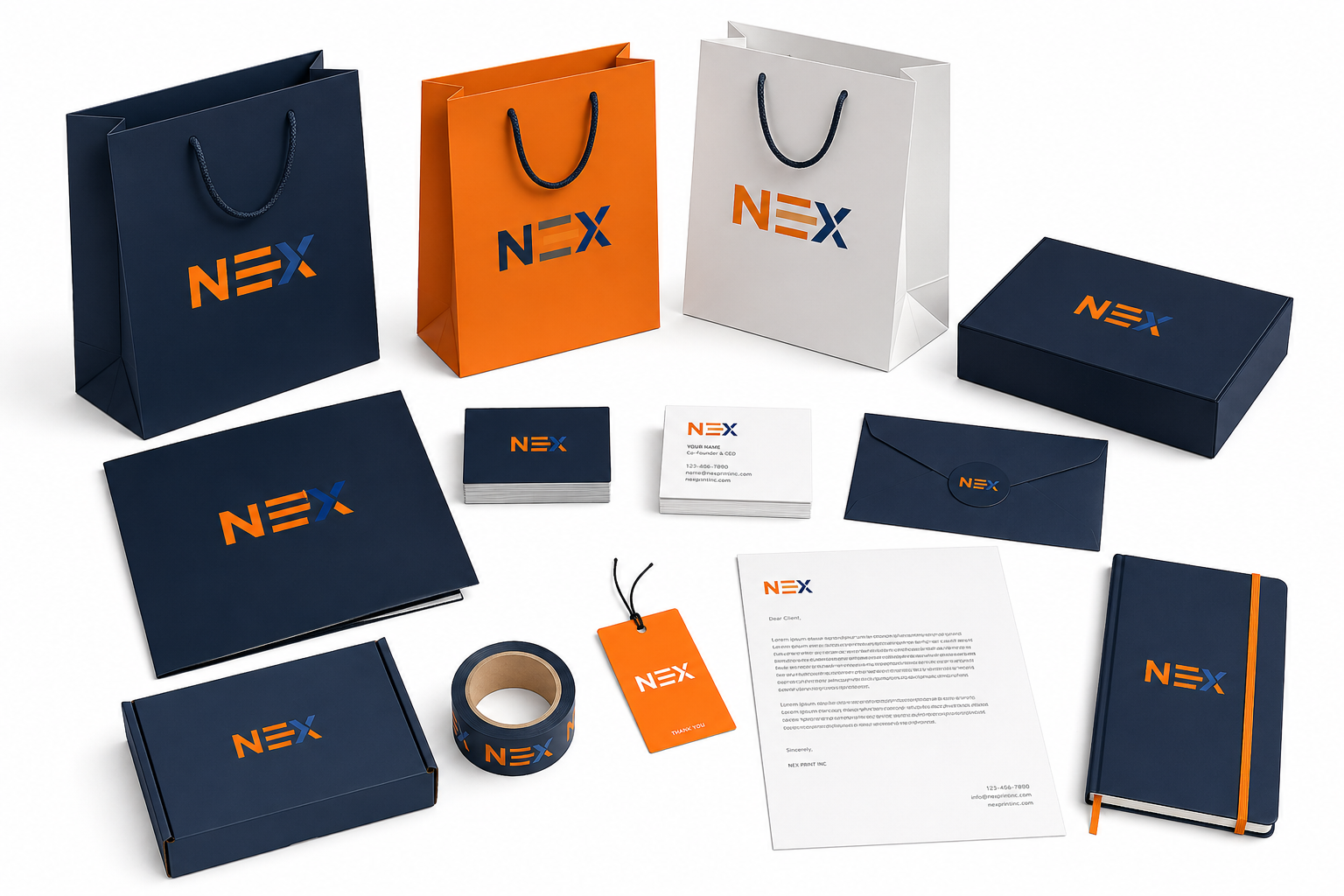
Printing also plays a major role in marketing and branding. Companies use printed materials such as business cards, brochures, flyers, posters, product catalogs, packaging, and promotional displays to communicate with customers. Good printing quality can strengthen a company's visual identity and create a professional impression.
Modern printing has also become more flexible through technologies such as 3D printing. Unlike traditional printing, which generally produces two-dimensional images or text, 3D printing creates physical objects layer by layer from a digital model. It is now used in engineering, manufacturing, architecture, medicine, education, and product development.
Although digital communication has reduced the need for some printed materials, print continues to offer important advantages. Physical documents can be easier to read for extended periods, printed products can provide a tangible brand experience, and packaging and promotional materials still require physical production. As a result, printing continues to evolve alongside digital technology rather than simply disappearing.
In conclusion, printing has played a fundamental role in human communication and continues to be an important technology. From traditional books and newspapers to digital printing and 3D manufacturing, the printing industry has continuously adapted to technological changes. Its combination of physical communication, visual quality, and practical applications ensures that printing remains relevant in the modern world.